House Clearance in Grays
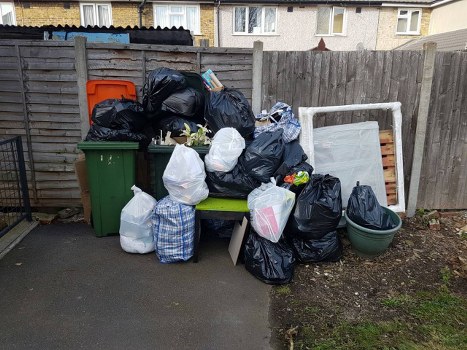
House Clearance Grays provides a straightforward service for clearing homes, flats and outbuildings in and around Grays, with work organised around the items, access and timescales that matter to the customer. The service can include removing general household contents, bulky furniture, mixed household waste and other non-hazardous items that have built up over time. Rather than treating every property the same, the work is planned around what is actually present, so the clearance feels manageable and the property is left ready for its next step.
We handle everything from a single room through to whole-property clearances, with a practical approach that suits moves, bereavement clearances, landlord changeovers and routine decluttering. Where items can be reused, recycled or separated for appropriate disposal, that is considered as part of the clearance process. If you are comparing options, it can help to think about the scale of the job, the type of contents involved and any access restrictions before you request a quotation.
For customers who want to understand the service before taking the next step, our pages on home clearance and flat clearance explain the kinds of properties we commonly clear. When a job includes a wider mix of household contents, the main house clearance page is a useful place to review the core service in more detail.
What our house clearance service covers
The service is designed to deal with the ordinary contents that build up in occupied, tenanted or unoccupied properties. That can include wardrobes, sofas, tables, white goods, bagged general items and stored belongings in lofts, garages and sheds. We also clear items that are simply no longer needed after a move, a refurbishment or a change in household arrangements. The emphasis is on removing what needs to go without turning the visit into a disruptive process.
Because every property is different, the most useful way to plan a clearance is to identify the main categories of items first. A small clearance may be as simple as removing a few bulky pieces, while a larger one may involve mixed contents from several rooms. Clear access points, parking arrangements and any narrow stairs or tight entrances can all influence the method used, so it is sensible to mention those early. A well-described job is easier to price accurately and easier to schedule in a way that suits the property.
In many clearances, the main decision is not whether items can be removed, but how they should be separated. Furniture, reusable household goods and ordinary waste often need different handling, and separating those streams helps keep the work organised. The same applies to storage areas that have collected a range of miscellaneous pieces over time. If you want to compare related services, the furniture clearance page covers larger household items, while furniture disposal focuses on what happens to pieces that are no longer wanted.
Types of property we clear

House clearance work is not limited to one kind of building. We can clear traditional houses, terraced properties, flats, maisonettes and properties with more limited internal access. In practical terms, that means considering staircases, shared entrances, lift use where relevant and how items will be moved without causing unnecessary disruption. The aim is to complete the clearance efficiently while respecting the property and the surrounding area.
Some jobs involve a lived-in property that needs selected rooms emptied, while others focus on a property that has already been vacated. The service can be adapted to either scenario. In a tenanted property, there may be a need to remove abandoned contents quickly and leave the space presentable. In a family home, the priority may be careful separation of personal effects from items that can be cleared. These are different tasks, and the approach should match the circumstances rather than applying a fixed formula.
If the clearance includes rooms beyond the main living spaces, related pages such as loft clearance and garage clearance show how we deal with areas that often hold old storage, tools or mixed household items. Where the property also has outdoor or boundary waste, garden clearance may be relevant as part of the wider plan.
Choosing the right level of clearance
It is usually best to match the service to the amount of work rather than describe every job as a full clearance. A lighter clearance might involve only bulky items or selected rooms, while a more involved job could cover multiple floors, storage spaces and leftover household contents. This helps keep the arrangement proportionate. It also means that items which require extra handling can be identified before work begins, instead of being discovered midway through.
Clearance for moves, changes and empty properties
Many people arrange a house clearance when a property is about to be sold, let or handed over to someone else. In those situations, the main need is often to reduce the amount left behind so the property can be prepared for the next stage. That might involve removing bulky furniture, loose household items, stored paperwork, redundant appliances or contents from cupboards and wardrobes. A structured clearance is often more efficient than trying to manage everything in one improvised visit.
We can also support clearances linked to probate, downsizing or the end of a tenancy, where the contents may need to be handled with extra care. The most useful preparation is usually a simple inventory of what remains and a note of anything that should be left untouched. If photographs are available, they can help with planning, but they are not always essential. The important thing is a clear description of the rooms, the access and any items that need special attention so the quotation reflects the actual work.
Where a property contains items that could be reused or passed on, the recycling and sustainability page explains our general approach to sorting and responsible handling. For customers who want to understand how the service is priced, the pricing and quotes page is useful alongside this overview. If you already know the main rooms involved, it is a good moment to ask for a quotation.
Furniture, appliances and mixed contents

A typical house clearance often includes a mix of furniture and smaller household items rather than one single category. Sofas, beds, wardrobes, chests of drawers, tables and chairs are common, along with kitchen items, ornaments, books and general clutter that has collected over time. Larger appliances may also be part of the job where they are already disconnected and ready for removal. The value of a good clearance service is that it can deal with the combination in an organised way.
Some items need a little more planning because of size, weight or awkward positioning. Heavy pieces may need to be moved in stages, and items in upper rooms can require careful handling on stairs or through narrow landings. Mixed contents can also include items that are still usable and others that are simply destined for disposal. Separating those categories matters, because it affects the most appropriate route for each item and helps avoid unnecessary handling.
For customers looking specifically at individual item removal, the furniture clearance and furniture disposal pages give a clearer picture of those parts of the work. When the job is broader than furniture alone, the fuller home-based service options on home clearance provide a better fit. Tell us what is staying and what is going, and we can shape the clearance around that mix.
How we plan a practical clearance
The best clearances are usually the ones planned around the property itself. That means thinking about where items are located, how they will be moved, whether there are steps or shared hallways, and whether any items need to be set aside during the process. A carefully planned job reduces confusion on the day and helps the work stay focused on removal rather than rearranging the whole property. It also makes it easier to decide whether one visit is enough or whether the work should be phased.
There are a few points that make a quotation more reliable. A short description of the rooms involved, the approximate amount of contents and any parking or access limitations is often enough to start with. If there are fragile items, built-in features that should not be touched, or belongings to be retained, those details should be clearly identified. Accuracy matters more than length when describing the job, because it helps avoid misunderstandings and keeps the arrangement straightforward.
You can also review the related service pages for more context before deciding how to proceed. The waste removal page is useful where the clearance includes general waste as well as household contents, while builders waste clearance is better suited to refurbishment debris and renovation leftovers. When you are ready, a plain request for pricing is enough to get things moving.
Local service considerations in Grays

Grays sits on the north bank of the River Thames in the Thurrock area of Essex and has long been associated with river trade, industry and transport links. The town centre is compact but varied, with a mix of older streets, later commercial development and residential neighbourhoods that spread outward from the historic core. Grays Beach Riverside Park and the Thames-side setting are among the features that shape the local character, while the railway station connects the town to wider routes across south Essex and into London.
The area also includes significant post-war and late twentieth-century development, reflecting the changing role of the town over time. The high street, nearby civic buildings and local leisure spaces sit alongside more modern estates and business locations, creating a place that combines everyday shopping, commuting and riverside leisure. Thurrock’s wider landscape includes industrial corridors, warehouse activity and the retail pull of the surrounding district, so Grays has a practical, working-town identity as well as a residential one.
Close by, the Thames frontage, local parks and the town’s connection to nearby settlements make it a place of contrasts rather than a single uniform centre. That mix is part of Grays’ character: a riverside town with transport links, changing architecture and a long-established role within Thurrock. It is this blend of history, movement and everyday local life that gives the place its distinct feel.
House clearances for different situations
Not every clearance has the same purpose, so the work is best matched to the situation. A property being prepared for sale may need a full contents clearance. A rental property might only need selected items removed. A home after a long occupancy may contain several rooms of accumulated belongings, where the main task is to sort out what remains and remove the rest in a careful sequence. The service should adapt to the reason for the clearance rather than forcing the reason to fit the service.
Where the contents include a mixture of reusable household items, bulky furniture and ordinary waste, it is helpful to think about which items are most urgent to remove first. This can reduce pressure on the household or the property manager and make the overall plan easier to follow. It may also help to decide whether all areas should be cleared at once or whether the work would be more practical in stages. Clear priorities are often the difference between a tidy, focused job and a confusing one.
For customers with smaller household spaces, the flat clearance page can be more relevant than a general home service, while the main about us page gives an overview of the business and wider service structure. If the situation involves several room types or storage spaces, a short message with the basic details is usually enough to begin the quoting process.
Preparing the enquiry and choosing the right scope
A clear enquiry usually includes the property type, the rooms involved and a short description of the main items to be removed. If the job includes loft access, basement storage, a garage or outdoor spaces, those areas should be mentioned alongside the main rooms. This is not about making the enquiry long; it is about making sure nothing important is omitted. The more accurately the job is described, the easier it is to recommend the right level of clearance.
If you are comparing several clearance options, the most useful distinction is often between item removal, full property clearance and specialist waste handling. For example, some customers only need a few pieces of furniture removed, while others need a whole property cleared before handover. Where the contents are mainly household items, the service can remain focused and simple. Where there is a broader mix, the scope may need to reflect that wider combination.
The office clearance and business waste removal pages cover non-domestic work if your needs extend beyond the home. For residential work, the simplest next step is to send the room list and the main item types so a quotation can be prepared around the real scope of the clearance.
What affects the quotation

House clearance quotations are usually shaped by the size of the job, the amount and type of contents, access conditions and the time needed to complete the work. A small, straightforward clearance with easy access is different from a larger job involving multiple floors, heavier furniture or a property with restricted entry. If certain items need special handling, that may also influence the final arrangement. The purpose of a quotation is to reflect the actual work rather than rely on a generic estimate.
It can also help to think about how the clearance is organised within the property. A single room packed with storage may take more time than several lightly furnished rooms. Items in a loft or garage can require extra effort because they are often stored in mixed layers. If there are items that should remain in place, that should be flagged from the outset. This keeps the scope tight and reduces the chance of confusion when the work begins.
To move from overview to action, use the service pages that best match the job and then make a simple enquiry. If you need to compare the general service with pricing information, the pricing and quotes page is the most direct reference. If you are ready to proceed, request a quotation and share the key details of the property and contents.