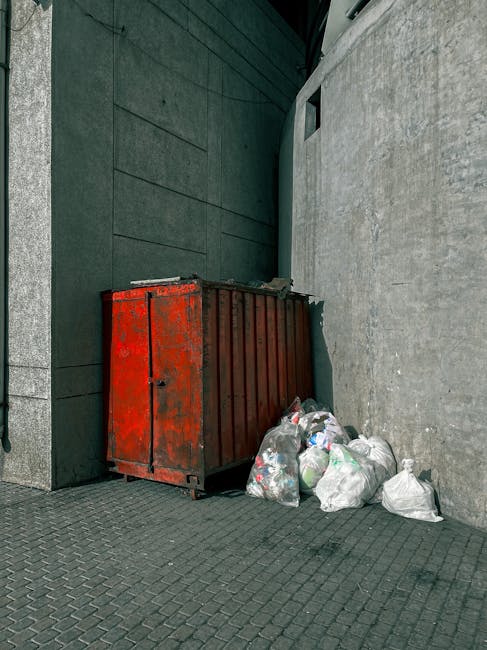
Thurrock Council rubbish disposal rules Grays residents must follow

If you live in Grays, rubbish disposal can feel simple right up until the bins are full, the sofa won't fit, and the council collection day suddenly matters more than you expected. That is exactly why understanding the Thurrock Council rubbish disposal rules Grays residents must follow is useful. It helps you avoid missed collections, fly-tipping problems, messy mistakes, and the very awkward moment of standing next to the wrong bin with a bag of mixed waste in your hand.
Truth be told, most people do not need a legal lecture. They need clear, practical guidance: what goes where, what not to leave out, what to do with bulky items, and how to stay on the right side of local rules. This guide walks through the essentials in plain English, with a focus on everyday situations in Grays, whether you are clearing a flat, tidying a garden, or just trying to make sense of what Thurrock expects.
Why Thurrock Council rubbish disposal rules Grays residents must follow Matters
The short version? Local rubbish rules are there to keep streets clean, reduce contamination in recycling, and make collections workable for households and crews. In a busy place like Grays, where terraces, flats, small gardens and shared access roads all create different disposal challenges, those rules matter a lot more than they may first appear.
If waste is put out incorrectly, it may not be collected. That can lead to overflowing bags, pests, complaints from neighbours, and wasted time. On the bigger end of the scale, badly handled rubbish can contribute to fly-tipping, which is not just ugly but also expensive and disruptive for the wider community. Nobody likes seeing a broken mattress left next to a hedge on a damp Thursday morning. It feels careless because it is careless.
There is also a practical side for households. Follow the rules and you are more likely to get a smooth collection, a neater kerbside, and a better recycling outcome. Ignore them and you end up doing the job twice. Sometimes three times, if the weather turns and everything gets soggy. Not ideal.
Expert summary: In Grays, the smartest way to handle rubbish is to separate what the council can take, know what needs special disposal, and plan ahead for bulky or awkward items. The less guesswork, the fewer problems.
If you are already clearing a property and need a broader service, it can help to look at a local waste removal option or a more specific service such as house clearance or flat clearance. Those pages are useful when council collection routes are not the best fit for your situation.
How Thurrock Council rubbish disposal rules Grays residents must follow Works
At a practical level, rubbish disposal rules usually revolve around a few simple ideas: sorting waste properly, using the right container, putting it out at the right time, and keeping restricted items out of normal household collections. That sounds obvious, but the details are where people get caught out.
Most residents deal with a mix of general waste, recycling, and occasional bulky items. General waste is the non-recyclable stuff that has to go in the correct bin or sack system used locally. Recycling needs to be clean enough and sorted enough to avoid contamination. Bulky waste, garden cuttings, builders' materials and electrical items often need separate handling. If you mix them all together, the whole load becomes harder to manage, and sometimes impossible for a standard collection to accept.
For many households, the main question is not "Can the council take this?" but "Can the council take this in this form, on this day, and from this location?" That is a very different thing. A bag left beside a bin may not count as an authorised collection. A fridge left outside in the rain may need special disposal. A few bricks from a DIY job are not the same as normal household rubbish. Small distinction, big consequences.
In Grays, housing layout also matters. Flats, shared driveways and tight streets can make access tricky. If your property has limited space, think ahead. It is much easier to put waste out correctly than to drag it back in after a missed collection. Been there, and it's a nuisance.
Key Benefits and Practical Advantages
Following local rubbish disposal rules is not just about avoiding trouble. It genuinely makes day-to-day life easier.
- Fewer missed collections: When waste is sorted and presented correctly, crews can collect it more reliably.
- Cleaner streets and entrances: Proper disposal reduces bags piling up, smells, and spilled waste.
- Better recycling outcomes: Clean recyclables are more likely to stay in the recycling stream rather than being rejected.
- Less stress during clear-outs: If you are moving, renovating or downsizing, knowing the rules saves last-minute panic.
- Lower risk of complaints or enforcement issues: Good waste handling helps avoid neighbour disputes and council attention.
There is also a financial angle, even if it is not obvious at first. Sorting waste properly means you are less likely to pay for unnecessary extra collections, and you are less likely to waste time on repeat journeys to the tip-equivalent route you were trying to avoid in the first place. That may sound minor, but on a rainy Saturday with a van full of mixed junk, it feels very real.
If you are dealing with old furniture, an overloaded shed or a garage that has turned into a storage cave, services like furniture disposal, garage clearance and loft clearance can be a practical complement to council collections. They are especially useful when the waste is too bulky, too mixed, or simply too much for routine kerbside disposal.
Who This Is For and When It Makes Sense
This guidance is for anyone in Grays who produces household waste, but it is especially relevant if you are in one of these situations:
- You have just moved into a property and do not yet understand the local bin system.
- You are clearing out an attic, garage or spare room after years of storage.
- You are renovating and have a mix of plaster, timber, packaging and old fixtures.
- You live in a flat or shared building where bin space is tight.
- You need to dispose of furniture, white goods or garden waste safely.
- You run a local business and need to keep domestic and commercial waste separate.
It also matters if you are helping a relative with a bereavement clearance or a move into care. Those jobs often create a large volume of mixed waste very quickly. People underestimate the emotional side too. Clearing a room full of old papers, clothes and furniture is not only physical work; it can be oddly draining. A sensible waste plan makes that job less heavy, both literally and mentally.
If your needs are commercial rather than domestic, a dedicated business waste removal service is usually more appropriate than household disposal. Likewise, offices and workspaces often benefit from an office clearance approach, especially when equipment, paper, and furniture all need separating. Different waste, different rules. Simple as that, really.
Step-by-Step Guidance
Here is a straightforward way to stay on track with Thurrock Council rubbish disposal rules in Grays.
- Identify the waste type. Separate general waste, recycling, food waste if relevant, garden waste, bulky items, electricals and DIY debris.
- Check what is accepted in normal collections. Do not assume an item qualifies just because it is "rubbish". A broken chair is not the same as a black bag of household waste.
- Keep recyclables clean and dry. Food residue and mixed materials can ruin a load. A quick rinse or shake-out makes a real difference.
- Bag or contain waste properly. Loose rubbish is more likely to blow away, split, or be left behind.
- Put bins out at the correct time. Early enough for collection, but not days in advance. On a windy street, that matters more than people think.
- Do not block pavements or access points. Keep routes clear for neighbours, pedestrians and collection crews.
- Use a separate route for bulky or specialist waste. Furniture, mattresses, white goods, builders' waste and garden soil usually need extra planning.
- Finish with a quick check. Look for loose items, spilled liquids, broken glass and sharp edges before anything goes outside.
One practical example: if you are clearing a spare bedroom, start with clothes and paper, then move to old furniture, then look at any electrical items. Do not just drag everything into one pile. That pile will look impressive for about ten minutes, and then it becomes a headache. Better to split it as you go.
For larger domestic clear-outs, a service like home clearance can help you organise the process without having to cram everything into the council system at once. It is particularly handy when you need the work done on a tight timetable.
Expert Tips for Better Results
After helping people manage clear-outs and mixed rubbish jobs, a few habits consistently make things easier.
- Start early. The job always feels smaller on paper than in real life. Give yourself more time than you think you need.
- Keep one "unknown" box. If you are unsure whether something can be recycled or reused, put it aside and check later instead of contaminating the whole batch.
- Flatten where appropriate. Cardboard boxes and similar packaging are easier to handle when broken down neatly.
- Use gloves and closed shoes. It sounds basic, but it saves you from cuts, splinters and unpleasant surprises. Old nails are rarely charming.
- Separate heavy materials early. Bricks, soil, broken tiles and similar items are awkward and should not be mixed into light household waste.
- Think about access. If a collection point is narrow or shared, bring the waste out in smaller loads rather than creating a blockage.
Another useful habit: photograph what you are disposing of before you start. That sounds a bit over the top, but when you are comparing disposal options or explaining a clearance job to someone else, a quick photo saves time. It also helps if you need to judge whether a simple collection is enough or whether you need something more substantial.
And yes, sometimes the most "efficient" plan is not the easiest one. The neatest route is often to sort first, then dispose. Not glamorous, but it works.
Common Mistakes to Avoid
Most rubbish problems in Grays come from the same handful of mistakes. The good news is that they are avoidable.
- Mixing recycling with general waste. One greasy box can spoil an entire container. Annoying, but true.
- Leaving items beside the bin. Unless a collection specifically accepts side waste, extra bags may be left behind.
- Disposing of bulky items as normal rubbish. Sofas, mattresses and wardrobes usually need separate handling.
- Putting out waste too early. This can make streets untidy and attract scavenging or windblown litter.
- Ignoring sharp or hazardous edges. Broken glass, splintered wood and metal brackets can injure collection crews or household members.
- Assuming builders' waste is household waste. It usually is not. For heavier renovation debris, consider builders waste clearance rather than trying to squeeze it into domestic bins.
One mistake that catches people out a lot is underestimating garden waste. A few bags of clippings can look harmless, but after a weekend of hedge trimming, the volume adds up fast. If you need help with cuttings, soil, branches or old garden clutter, garden clearance is often the cleaner option.
Let's face it, nobody wants to be the person who left a sagging armchair by the hedge and hoped for the best. That never ends well.
Tools, Resources and Recommendations
You do not need a van full of kit to dispose of rubbish properly, but a few tools make the process smoother.
- Strong bin bags: Useful for general waste, but do not overload them or they will split at the worst moment.
- Work gloves: Essential for sorting sharp, dusty or dirty items.
- Marker pens and labels: Helpful when separating keep, recycle, donate and dispose piles.
- Tape measure: Useful if you need to judge whether an item will fit through doors, lifts or stairwells.
- Dust sheets or old blankets: Handy when moving furniture or protecting floors during a clear-out.
- Reusable crates or boxes: Better than loose bags for papers, small electrical items and mixed household bits.
For people who want the job handled from start to finish, local services can make life simpler. A good place to compare options is the site's pricing and quotes page, especially if you are weighing up whether to handle waste in stages or book a fuller clearance. If sustainability matters to you, it is also worth reading the company's recycling and sustainability information so you know how materials are treated after collection.
On the practical side, a reliable service should also make safety and handling clear. Pages such as health and safety policy and insurance and safety can give you a better sense of how a provider works, which is reassuring when heavy lifting or awkward access is involved.
Law, Compliance, Standards, or Best Practice
Waste disposal in the UK is not just a matter of tidiness. There are legal duties around how waste is stored, moved and handed over, especially when it is commercial, hazardous, or likely to be fly-tipped if not managed properly. For residents, the practical takeaway is simple: put waste out only in the manner the local system allows, and use proper channels for items outside normal household collections.
Best practice usually means three things. First, keep waste segregated wherever possible. Second, do not place prohibited items into general bins. Third, use a reputable disposal route for anything bulky, awkward, sharp, electrical or potentially hazardous. This protects everyone involved and reduces the chance of contamination or unsafe handling.
If you are in rented accommodation, there may also be building rules on top of council rules. Landlords, managing agents and housing associations sometimes have their own bin arrangements, especially for flats. Those can be just as important as the council guidance. In a block of flats, one person's careless bag of rubbish can affect the whole building. No pressure, but yes, a little attention goes a long way.
For business premises, separating domestic and commercial waste matters even more. If a workplace is disposing of office equipment or stock packaging, the right route is usually a structured commercial collection rather than a household-style bin solution. That is where business waste removal becomes the more sensible path.
Options, Methods, or Comparison Table
Different rubbish disposal methods suit different situations. The key is choosing the one that matches the waste you actually have, not the one that feels easiest in the moment.
| Method | Best for | Strengths | Limitations |
|---|---|---|---|
| Council kerbside collection | Routine household waste and recycling | Convenient, familiar, usually low-effort | Limited to accepted materials and set collection rules |
| Bulky waste disposal | Furniture, mattresses, large awkward items | Handles items too large for standard bins | Often needs booking or separate arrangement |
| Specialist clearance service | Mixed loads, heavy clear-outs, access problems | Saves time, removes sorting burden, good for larger jobs | Usually more expensive than a basic bin collection |
| DIY transport to a disposal point | Smaller loads when you have transport and time | Flexible and direct | Can be tiring, messy and time-consuming |
For many Grays households, the right answer is a mix of methods. Routine waste goes through the normal collection route, while bulky items and clear-out debris go through a specialist service. That balanced approach is usually cleaner and less stressful than trying to force everything into one system.
Case Study or Real-World Example
A typical Grays scenario goes like this: a couple decides to clear their two-bedroom flat before a move. At first, it looks manageable. A few black bags, some old kitchen bits, a tired wardrobe, and a stack of flattened boxes by the window. Then they open the airing cupboard. Then the loft hatch. Then, somehow, the hallway fills with things they forgot they owned.
Rather than trying to get rid of everything through one council collection, they sort the waste into categories: normal rubbish, recyclable packaging, old furniture, and a small pile of awkward items like a broken lamp, a mirror and a few bits of metal shelving. The household waste goes out correctly. The furniture is handled separately. The awkward items are booked into a suitable clearance route. The job is finished with far less stress, and the stairs remain usable, which is always a bonus in a small property.
The important lesson is not that the waste was huge. It was that the waste was mixed. Once mixed loads start to build up, disposal gets harder fast. That is why services like furniture clearance or house clearance can be such a practical fit for local residents who want the process handled properly and efficiently.
A second example: a homeowner clears a neglected garage after years of "I'll deal with that later". There are old tins, garden waste, broken plastic storage boxes and some heavy renovation offcuts. That is not normal bin waste. Sorting it properly and using the right disposal route avoids missed collections and gets the clutter gone without a week of frustration. Small miracle, really.
Practical Checklist
Use this quick checklist before putting anything out for collection or arranging disposal.
- Have I separated general waste from recycling?
- Have I kept food, liquids and dirt out of recyclable items?
- Is anything bulky, sharp, electrical or heavy enough to need special handling?
- Am I following the correct collection day and presentation rules?
- Are bags tied, containers closed and items secure?
- Will the waste block access, pavements or shared entrances?
- Have I checked whether the item belongs in a specialist clearance route instead of a normal bin?
- Do I have gloves, bags and a clear area for sorting?
- Is this a one-off clear-out that would be easier with a professional service?
- Have I left the area tidy once the waste is removed?
If you can tick most of those off, you are probably in good shape. If not, pause and sort first. It saves headaches later. Usually cheaper too.
Get a free quote today and see how much you can save.
Conclusion
The main thing to remember about Thurrock Council rubbish disposal rules Grays residents must follow is that they are designed to make life easier when you work with them, and harder when you do not. Keep your waste sorted, use the right route for bulky or specialist items, and avoid the common mistakes that lead to missed collections or messy streets.
For everyday rubbish, a little planning goes a long way. For bigger clear-outs, furniture, garden waste, office contents or builders' debris, the right clearance service can save time, effort and a lot of back-and-forth. That is especially true if you are dealing with stairs, tight access, or a property that has just accumulated too much stuff over the years.
Start with the basics, stay sensible, and don't let waste snowball. A tidy finish has a way of making the rest of the day feel better too.
Frequently Asked Questions
What are the main Thurrock Council rubbish disposal rules Grays residents must follow?
The main rules are to sort waste correctly, use the right bins or collection methods, avoid contaminating recycling, and make sure bulky or specialist items are handled separately. The exact details depend on the type of waste and the local collection arrangement.
Can I leave extra bags beside my bin if it is full?
Not usually. Side waste is often not accepted unless a specific collection arrangement allows it. Extra bags may be left behind, especially if they are not in the approved container or if they create a safety or access issue.
What should I do with old furniture in Grays?
Old furniture is usually better handled as bulky waste or through a clearance service rather than as ordinary household rubbish. Sofas, wardrobes, tables and mattresses can be awkward and may not be accepted in standard collections.
Can broken electrical items go in general waste?
Usually no. Electricals are typically treated separately because they need safer handling and different disposal routes. If you are clearing several items, group them together and arrange the appropriate route rather than mixing them with general rubbish.
What counts as garden waste?
Garden waste normally includes grass cuttings, hedge trimmings, branches, leaves and similar organic material. Soil, large roots, stones and mixed garden debris may need separate handling depending on volume and condition.
Is builders' rubble the same as household rubbish?
No. Bricks, tiles, plaster, timber offcuts and similar renovation waste should not be assumed to fit into domestic collections. Builders' waste usually needs its own disposal plan, especially if the load is heavy or mixed.
How do I know whether I need a clearance service instead of council collection?
If the waste is bulky, heavy, mixed, time-sensitive or awkward to move, a clearance service is often the better option. It is especially useful for lofts, garages, flats, office spaces and full house clear-outs.
Will recycling items need to be cleaned first?
In many cases, yes, at least lightly cleaned or emptied. Dirty recyclables can contaminate a load and reduce the chance of successful recycling. They do not need to be spotless, but they should not be full of food or liquids.
What if I live in a flat with limited bin space?
Shared buildings often have their own bin rules, collection points and access arrangements. Check the building's instructions carefully and avoid leaving rubbish in corridors, stairwells or communal areas. That can create safety problems very quickly.
Are there penalties for getting rubbish disposal wrong?
There can be consequences if waste is dumped illegally, repeatedly put out incorrectly or handled in a way that causes problems for others. The safer approach is always to follow the local rules and use the right disposal route for the item.
What is the easiest way to clear a large amount of mixed waste?
The easiest route is usually to sort the waste into categories first, then decide which items can go through normal collections and which need a specialist service. That approach avoids contamination and saves a surprising amount of time.
Can I get help with furniture, loft, garage or home clearances in Grays?
Yes. For larger or more awkward jobs, it can make sense to use a focused service such as furniture clearance, loft clearance, garage clearance or home clearance. Those options are designed for the kind of mixed waste that regular household collections are not built to handle.