What to Do When Your Pots and Pans Have Reached the End
You slide open the cupboard and a clatter of old lids greets you. The non-stick pan looks tired, your once-trusty saucepan is warped, and that cast iron skillet? It's rusted but still kind of lovable. If you're wondering what to do when your pots and pans have reached the end, you're not alone. This expert, UK-focused guide will show you exactly how to repair, recycle, donate, upcycle or responsibly dispose of cookware--so you save money, cut waste and cook better, safely. And yes, we'll help you choose smarter replacements too.
Truth be told, the question isn't just "bin it or keep it?" It's how to make the most environmentally and financially sound choice, and when to say goodbye. Let's face it--well-cared-for cookware can last decades. But when it's really the end, you need solid steps, not guesswork.
Table of Contents
- Why This Topic Matters
- Key Benefits
- Step-by-Step Guidance
- Expert Tips
- Common Mistakes to Avoid
- Case Study or Real-World Example
- Tools, Resources & Recommendations
- Law, Compliance or Industry Standards (UK-focused)
- Checklist
- Conclusion with CTA
- FAQ
Why This Topic Matters
Cookware rarely gets a graceful retirement. Most households keep battered pots far too long (dangerous, sometimes), or toss them into general waste (a shame, and avoidable). Understanding what to do when your pots and pans have reached the end is about safety, sustainability and savvy spending. In the UK, we generate millions of tonnes of household waste each year--and metals are among the easiest materials to recycle. Recycling aluminium, for instance, saves up to 95% of the energy required to make new metal, and steel recycling saves around 70%. That's not just good; it's transformative.
There's also a health angle. Badly scratched non-stick pans can be a risk if overheated, and warped bases can create hot spots, burnt food and a few swear words on a busy evening. Beyond that, you'll cook better with the right pans, keep your kitchen safer, and feel good about the choices you make. Small wins, big impact.
One small human moment: A client once showed me a cupboard that looked like it had swallowed a car boot sale--mixed lids, orphaned saucepans, a lone copper saute pan with a history. We didn't bin it all. We sorted, repaired, recycled, and in the end, the kitchen felt calmer. Clean, clear, calm. That's the goal.
Key Benefits
- Environmental gains: Recycling metal cookware keeps valuable resources in circulation and reduces energy use.
- Health and safety: Retiring unsafe pans (flaking coatings, loose handles, warped bases) reduces accident risk and fumes from overheated coatings.
- Better cooking outcomes: Reliable heat distribution equals fewer burnt dinners and more consistent results.
- Cost savings: Repairing or re-seasoning cast iron and carbon steel can extend life dramatically; buying fewer, better pieces saves money long-term.
- Clutter reduction: Freeing space makes cooking simpler and strangely joyful--it's a real mood shift.
- Compliance and peace of mind: Disposing through proper UK channels (Household Waste Recycling Centres, scrap metal dealers) means you're doing things right, legally and ethically.
Step-by-Step Guidance
Here's the practical, zero-fuss system we use when advising clients on what to do when your pots and pans have reached the end. Follow it at your own pace--cup of tea in hand.
1) Audit your cookware drawer or cupboard
- Lay everything out on a worktop. Lids, handles, stray knobs, the lot. You might be surprised what you've kept.
- Sort by material: stainless steel, cast iron, carbon steel, aluminium (anodised or not), copper (tinned or stainless-lined), non-stick (PTFE/ceramic).
- Assess condition:
- Non-stick: Any deep scratches, chips, peeling edges, or a surface that no longer releases? Time to retire.
- Stainless steel: Look for heavy warping, loose rivets, or pitting. Cosmetic rainbow stains are fine.
- Cast iron/carbon steel: Rust is fixable. Cracks are not. Check handles are secure.
- Copper: If the tin lining is worn through (you'll see copper peeking), consider re-tinning.
- Aluminium: Deep gouges or warped bases reduce performance--some can be recycled, some repaired.
Quick micro moment: It was raining hard outside that day we did this for a busy family in Leeds. We could almost smell the cardboard dust from old packaging. By the end, just three pans made the "keep" list--perfect trio. Relief.
2) Decide: repair, repurpose, donate, recycle or dispose
- Repair/restore:
- Re-season cast iron or carbon steel. A bit of elbow grease, oil, oven time--good as new.
- Tighten or replace handles and knobs. A Phillips screwdriver and the right bolts work wonders.
- Professional services: re-tin copper, replace rivets, or have commercial-grade pans refurbished.
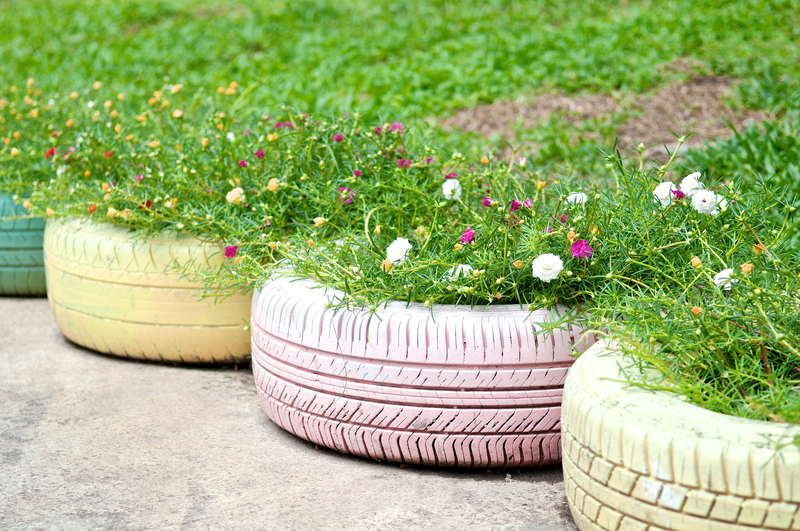
- Repurpose (non-food use): Old pans become planters, storage for utensils, or quirky wall art. Just don't reuse flaking non-stick for cooking.
- Donate: If still safe and functional, offer to charity shops (check policy--many accept clean, undamaged cookware), community kitchens, Freecycle, Olio, or a neighbour's first flat. To be fair, someone will be chuffed.
- Recycle: Most UK Household Waste Recycling Centres (HWRCs) accept metal cookware. Remove plastic handles where possible.
- Dispose: When beyond repair and not accepted for recycling, wrap sharp edges and place in general waste as a last resort. Rare, but it happens.
3) Prepare items for recycling or donation
- Clean and degrease: A quick wash removes food residue and makes items acceptable for reuse or recycling.
- Remove mixed materials: Unscrew plastic handles or glass lids to separate materials if your local facility requests it.
- Check your council guidance: Each UK council lists accepted items at HWRCs. Metal pans generally go in the metal skip. Non-stick coatings are typically fine in metal recycling once separated from obvious plastic parts.
4) Take to the right place
- Household Waste Recycling Centre (HWRC): Load your metal cookware together. Staff will direct you to the metal bay.
- Scrap metal dealer: For larger volumes (caterers, community groups), phone ahead. Under the Scrap Metal Dealers Act 2013, dealers must verify ID and pay cashless.
- Charity or community kitchens: Call first. Clean, safe items are appreciated; battered non-stick is not.
5) Choose replacements wisely (if you need them at all)
- Buy fewer, better: For most home cooks: a 20cm saucepan, a 28cm saute/frying pan, and a Dutch oven or casserole. That's your core trio.
- Match your hob: Induction needs magnetic bases; test with a fridge magnet.
- Repairability and warranty: Look for brands that offer spare handles, lids, and long warranties (10+ years for stainless/cast iron).
- Materials:
- Stainless steel (tri-ply or 5-ply): Durable, even heating, oven safe.
- Cast iron: Lifetime potential. Heavier, but unbeatable for searing and slow cook.
- Carbon steel: Lighter than cast iron, seasons beautifully for high-heat frying.
- Non-stick: Great for eggs, delicate fish. Buy quality, use gently, expect finite lifespan.
- Copper: Premium control; needs maintenance and occasional re-tinning.
- Eco considerations: Recycled-content stainless steel, repairable parts, minimal packaging, and brands with transparent sustainability policies (ISO 14001, B Corp) are a plus.
6) Maintain to delay the next "end of life"
- Use medium heat for non-stick; avoid metal utensils.
- Dry cast iron and oil lightly after cleaning. Don't soak.
- Preheat stainless steel properly for natural release.
- Store with protectors between pans to prevent scratches.
Ever tried clearing a room and found yourself keeping everything "just in case"? With cookware, a little discipline pays off. Keep the few pieces you use weekly. Let the others go kindly.
Expert Tips
Years of kitchen audits and chef consultations have shaped these no-nonsense pointers for what to do when your pots and pans have reached the end.
- Use the magnet test: If a magnet sticks well to the base, it's induction-friendly. If not, consider a diffuser or choose differently next time.
- Don't panic about rainbow stains: On stainless steel, heat tints are cosmetic. A vinegar rinse or stainless cleanser sorts it if it bothers you.
- Rethink non-stick expectations: Even excellent PTFE or ceramic non-stick has a shelf life--often 2-5 years in busy homes. That's normal.
- Bird safety note: Overheating PTFE-coated pans can release fumes dangerous to pet birds. Keep heat moderate and never preheat empty non-stick.
- Re-seasoning is magic: For rusted cast iron, scrub back to bare metal, heat-dry, and season with thin layers of oil in the oven. It's oddly satisfying.
- Warps tell a story: Severe warping usually means repeated thermal shocks (hot pan under cold tap) or very high heat. Change habits to save the next set.
- Lid logistics: Universal lids reduce clutter. Sounds small, changes everything.
- When in doubt, photograph: Snap a pic of your pan's base stamps (material, ply, brand, diameter). Handy for parts and recycling queries.
One self-aware aside: if you're reading this late at night while a pan soaks in the sink--yeah, we've all been there.
Common Mistakes to Avoid
- Throwing pans into general waste when they could be recycled at an HWRC or accepted by a scrap metal dealer.
- Donating unsafe cookware, especially flaking non-stick or wobbly-handled pans. It's generous, but not helpful.
- Overheating non-stick and expecting it to last. Gentle heat extends life. Eggs don't need full blast, promise.
- Skipping handle checks: Loose rivets are a burn hazard. Tighten or replace.
- Confusing cosmetic issues with structural damage: Minor stains aren't a reason to dump a solid pan.
- Not separating materials (metal bodies, plastic handles, glass lids) when a recycling site requests it.
- Buying a big set you won't use: Five pans that gather dust is worse than two that work daily.
Case Study or Real-World Example
Case: The London Flat Refresh
Setting: A second-floor flat in Walthamstow. Small galley kitchen, induction hob. It was a grey Tuesday morning, kettle steaming, traffic humming outside.
Problem: A couple had amassed 11 pans over ten years--three scratched non-stick fry pans, two warped aluminium saucepans, a stainless stockpot, a rusty cast iron, and a beautiful but worn copper saute pan. Cupboard chaos.
Approach:
- Audit: We lined everything on a tea towel, checked bases with a magnet, tested handle stability, and noted damage.
- Repair: We re-seasoned the cast iron, tightened two stainless handles, and recommended professional re-tinning for the copper (they loved that pan).
- Recycle/Donate: Two badly scratched non-stick pans went to the HWRC metal skip; the stainless stockpot and a lightly used saucepan went to a local mutual aid group's community kitchen.
- Replace: They bought one high-quality 28cm stainless tri-ply frying pan (induction-ready) and a 20cm stainless saucepan with a universal lid.
Outcome: Cupboard count dropped from 11 to 5. Cooking improved overnight--more even heat, fewer sticky messes. And they felt good about responsibly recycling the old kit. Small space, big calm.
Tools, Resources & Recommendations
To make decisions about what to do when your pots and pans have reached the end easier, keep these to hand.
Simple tools at home
- Magnet: Checks induction compatibility.
- Phillips screwdriver/spanner set: Tighten or replace handles and knobs.
- Steel wool or chainmail scrubber: For cast iron restoration.
- Baking soda and vinegar: Gentle cleaning and stain removal.
- High-smoke-point oil (grapeseed, rapeseed): For seasoning.
- Microfibre cloths and degreaser: Prep items for donation or recycling.
UK resources and services
- Local council HWRC finder: Check your council website for opening times, accepted materials and ID requirements.
- Scrap metal dealers: Useful for bulk metal cookware; they operate under the Scrap Metal Dealers Act 2013 (ID and cashless payments).
- Community reuse outlets: Charity shops, Freecycle, Olio, local repair cafes for minor fixes.
- Professional copper re-tinning: Several UK artisans offer re-tinning--worth it for heirloom pieces.
- Commercial waste contractors: For restaurants/caterers, choose a carrier with a valid waste carrier licence and ask for a waste transfer note.
Recommended buying criteria
- Warranty length: 10-25 years for stainless/cast iron is a solid signal.
- Repairable parts: Availability of handles, knobs, and lids.
- Material thickness: Look for tri-ply/5-ply bases for even cooking.
- Induction-ready: Confirm with manufacturer specs or magnet test.
- Transparency: Brands publishing material specs, factory standards, and sustainability practices inspire trust.
Law, Compliance or Industry Standards (UK-focused)
When sorting out what to do when your pots and pans have reached the end, you'll brush up against a few UK frameworks. They're not scary--just good to know.
- Waste Hierarchy (UK/EU principle): Prevent > Reuse > Recycle > Recover > Dispose. This is the backbone of responsible disposal decisions.
- Household Waste Recycling Centres (HWRCs): Operated by local authorities; most accept metal cookware in the metal skip. Follow site rules and staff directions.
- Scrap Metal Dealers Act 2013: Dealers must verify identity and pay via traceable methods (no cash). Helps reduce theft and improve traceability.
- Duty of Care (Environmental Protection Act 1990; Code of Practice 2018): Businesses must ensure waste is handled by licensed carriers, with waste transfer notes. Relevant to caterers and hospitality.
- Food Contact Materials (Retained EU law, e.g., Regulation (EC) No 1935/2004): New cookware must be safe for food contact when used as intended. Look for the "fork and cup" symbol and compliance statements from reputable brands.
- Non-stick coatings: PFOA (once used in some PTFE processes) is now restricted in the UK under persistent organic pollutants rules. Modern PTFE and ceramic coatings from reputable brands comply with current standards when used correctly.
- Standards for cookware: EN 12983 series (domestic cookware) covers aspects of safety and performance. Not all brands cite it, but it's a useful benchmark.
- OPRL recycling labels: On packaging, these guide how to dispose of boxes, films, and inserts. Follow them to keep recycling streams clean.
If you run a food business, keep records tidy. It's boring--until it isn't.
Checklist
Use this quick list to manage what to do when your pots and pans have reached the end without fuss.
- Lay out all cookware; group by material.
- Inspect: scratches, peeling, warping, loose rivets, rust, cracks.
- Decide for each: repair, repurpose, donate, recycle, dispose.
- Remove plastic handles and separate glass lids if requested by your HWRC.
- Clean items for donation or reuse.
- Take metal items to the HWRC or contact a licensed scrap dealer.
- Choose replacements, if needed: fewer, better, induction-ready.
- Set a six-month reminder to check handles and re-season cast iron.
Ever thought, "I'll deal with that pan next weekend," and six months disappear? Happens. Set the reminder. Future you will be grateful.
Conclusion with CTA
In the end, knowing what to do when your pots and pans have reached the end is about confident choices. Repair what's worth saving. Donate what's safe. Recycle the rest--metal is too valuable to waste. Then cook with fewer, better tools that make every meal just a bit easier, tastier, calmer.
If you're standing in your kitchen right now, maybe with a scratched pan in one hand, take a breath. You've got this. One piece at a time.
Get a free quote today and see how much you can save.
And if no one has told you lately: a tidy, well-loved kitchen is a quiet kind of joy.
FAQ
What's the most environmentally responsible disposal option for old pots and pans?
Recycling at your local Household Waste Recycling Centre is usually best. Metals like steel, iron, aluminium and copper recycle efficiently, saving large amounts of energy compared to producing new metal. Donate safe, functional items first; recycle the rest.
Can I recycle non-stick pans?
Yes, in many UK areas. Most HWRCs accept non-stick pans in the metal skip. Remove plastic parts if requested. Coatings like PTFE are typically handled by metal recyclers during processing.
Are scratched non-stick pans unsafe?
Light surface wear isn't automatically unsafe, but deep scratches and flaking mean the pan is at end of life. Overheating any non-stick can release fumes; avoid high heat and never preheat empty non-stick. When in doubt, retire and recycle.
Should I re-season a rusty cast iron pan or replace it?
Re-season it. Rust is almost always fixable. Scrub back to bare metal, dry thoroughly, and bake on thin layers of oil. Replace only if the pan is cracked or warped.
How do I know if my pan is induction compatible?
Use a magnet. If it sticks firmly to the base, it should work on induction. If it doesn't stick, it likely won't. Some stainless pans have an induction plate--check manufacturer details.
Can charity shops accept used pots and pans?
Many do, provided items are clean, undamaged and safe (no flaking non-stick, no loose handles). Policies vary--call ahead. Community kitchens and reuse networks are also good options.
Is copper cookware worth re-tinning?
If you love it and it's good quality, yes. Re-tinning restores food-safe lining and extends life for decades. It's a craft service, so weigh cost vs sentimental and performance value.
Do I have to remove handles before recycling?
Not always. Some sites prefer it; others accept mixed items and handle separation. Check your council's HWRC guidance. Removing obvious plastic takes minutes and helps.
What's the safest way to dispose of a pan with sharp or broken edges?
Wrap sharp edges in cardboard or thick newspaper and secure with tape before placing in general waste or taking to a recycling centre. Safety first for handlers and yourself.
How long should a non-stick pan last?
Typically 2-5 years depending on quality and use. Gentle heat, hand washing, and soft utensils extend life. Consider stainless or carbon steel for tasks needing higher heat.
Is there a UK law about disposing of cookware?
No cookware-specific law for households, but general waste regulations apply. Use HWRCs or licensed scrap dealers. Businesses must follow Duty of Care: use licensed carriers and keep waste transfer notes.
What's the minimum set of pans I actually need?
For most home cooking: one medium saucepan (20cm), one large frying/saute pan (26-28cm), and a casserole/Dutch oven. Add specialty pieces only if you'll use them weekly.
Can metal utensils damage my non-stick pan?
Yes. Use silicone, wood or nylon. Metal can scratch or chip the coating and shorten the pan's life significantly.
Will a warped pan damage my hob?
It can cause poor heat transfer and noisy vibration on induction. It won't usually damage the hob, but it wastes energy and cooks unevenly. Replace badly warped pans.
Are ceramic non-stick coatings safer than PTFE?
Both can be safe when used properly. Ceramic often tolerates slightly higher heat but tends to wear faster. Choose reputable brands and follow care instructions for either type.
What about commercial kitchens--any extra requirements?
Yes: use licensed waste carriers, keep waste transfer notes, and train staff to segregate metal. Regularly check pan condition to avoid service accidents. A small system saves big headaches.
Last thought, a gentle one: every pan tells a story--midnight pasta, Sunday roasts, hurried breakfasts. Let the old ones go with a little gratitude, and choose the next ones with care.